



Best Collagen Powder Without Heavy Metals: What to Look for Before You Buy
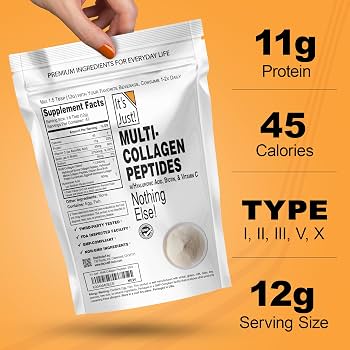
As collagen supplements continue to grow in popularity, many consumers are asking an important question: how do you find the best collagen powder without heavy metals? Because collagen is sourced from animal or marine tissues, trace amounts of contaminants such as lead, arsenic, cadmium, or mercury may be present if raw materials and manufacturing processes aren’t carefully controlled. Choosing a product that emphasizes responsible sourcing, independent testing, and manufacturing transparency can help you make a more informed decision.
While no supplement can guarantee absolute zero levels of naturally occurring elements, reputable manufacturers test their products to verify that contaminant levels remain within established safety standards. Understanding what to look for on a product label can make shopping for collagen much easier.
Why Heavy Metal Testing Matters
Collagen is commonly derived from bovine, marine, or poultry sources. Environmental conditions can influence the raw materials used to produce collagen, which is why quality control is so important.
Manufacturers that perform third-party testing verify that their products are screened for contaminants before reaching consumers. Independent laboratory testing provides additional confidence that a product matches its label claims and meets quality specifications.
Characteristics of a High-Quality Collagen Powder
When comparing collagen supplements, consider more than price alone.
Look for products that offer:
- Third-party testing
- Transparent ingredient lists
- Responsibly sourced collagen
- Hydrolyzed collagen peptides
- Minimal additives or fillers
- Good Manufacturing Practices (GMP)
Brands that openly discuss their sourcing and testing practices often make it easier for consumers to evaluate product quality.
Choose Trusted Sources
The quality of collagen begins with the source material.
Common sources include:
- Grass-fed bovine collagen
- Wild-caught marine collagen
- Chicken collagen
Manufacturers that carefully select their raw materials and maintain strong supplier standards help reduce the likelihood of contamination while supporting consistent product quality.
Understand Third-Party Testing
One of the best indicators of quality is independent testing.
Third-party laboratories evaluate products for factors such as:
- Heavy metals
- Microbial contamination
- Ingredient identity
- Product purity
Some manufacturers also provide Certificates of Analysis (COAs) upon request, allowing customers to review testing information before purchasing. Transparency like this helps consumers compare products more confidently.
Don’t Judge a Product by Marketing Claims Alone
Many collagen supplements advertise benefits for skin, joints, hair, and nails. While collagen peptides have been studied for supporting skin elasticity and joint health, exaggerated marketing claims should always be viewed carefully.
Instead of relying solely on promotional language, evaluate products based on:
- Testing practices
- Manufacturing quality
- Ingredient transparency
- Company reputation
- Scientific support
Choosing a product backed by quality standards is often more valuable than selecting one based only on advertising.
Powder vs. Capsules
Collagen supplements are available in several forms.
Powder
Powder remains the most popular option because it mixes easily into coffee, smoothies, yogurt, soups, or water. It also allows users to adjust serving sizes according to the product directions.
Capsules
Capsules provide a convenient alternative for people who prefer a portable, pre-measured serving without mixing beverages.
Both forms can be effective, so the choice largely depends on personal preference.
Supporting Overall Wellness
Collagen supplements should complement healthy lifestyle habits rather than replace them.
Healthy collagen production is also supported by:
- Adequate protein intake
- Vitamin C-rich foods
- Regular exercise
- Proper hydration
- Quality sleep
- Sun protection
Combining these habits with a quality collagen supplement may help support overall wellness.
Questions to Ask Before Buying
Before choosing a collagen powder, consider asking:
- Does the company perform third-party testing?
- Are testing results available?
- Where is the collagen sourced?
- Are unnecessary fillers included?
- Is the manufacturing process clearly explained?
- Does the company provide transparent product information?
Asking these questions helps you compare products based on measurable quality factors rather than marketing alone.
Conclusion
Finding the best collagen powder without heavy metals starts with choosing products from companies that prioritize transparency, responsible sourcing, and independent testing. While naturally occurring trace elements can be present in many food-based products, reputable manufacturers work to keep contaminant levels within recognized safety limits through careful sourcing and rigorous quality control. Taking the time to evaluate testing practices and ingredient quality can help you select a collagen supplement with greater confidence.
For more information about collagen quality, heavy metal testing, and clean-label supplements, visit BioOptimal Supplements. Their educational resources explain how collagen products are sourced, tested, and manufactured, helping consumers make informed decisions when choosing supplements for their wellness routine.