
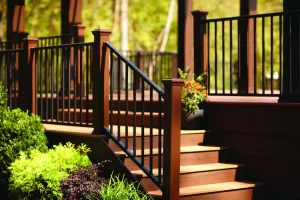




How Stair Handrails Influence Safety and Design in Residential Stair Projects
A staircase is one of the most frequently used features in a home, but it is also one of the most visible architectural details. While flooring often receives most of the attention during renovation planning, staircase components play an important role in both appearance and everyday use. Selecting the right stair handrail helps create a staircase that supports comfortable movement while complementing the surrounding interior design.
The Functional Importance of Stair Handrails
Handrails serve a practical purpose by providing support while people move up and down stairs. A properly planned handrail gives users a stable point of contact and can improve confidence when navigating a staircase.
For residential projects, comfort and usability should be considered alongside appearance. The height, placement, and shape of the handrail can influence how naturally it fits into everyday use.
Contractors and installers should evaluate the staircase structure before selecting components. Existing conditions, wall placement, stair width, and railing configuration can all affect the installation approach.
In remodeling projects, these details become especially important because existing staircases may not follow the same dimensions or construction methods found in newer homes. Reviewing the staircase early helps professionals identify the correct materials and installation requirements.
Handrails as a Design Feature
Modern homeowners often view staircases as more than a connection between floors. In open-concept homes, stair areas may be visible from living rooms, entryways, or dining spaces, making the design of each component important.
A handrail can contribute significantly to the overall appearance of the staircase. Wood species, finish, shape, and detailing can influence whether the staircase feels traditional, contemporary, or transitional.
For example, a simple wood handrail with clean lines may work well in a modern interior, while a more detailed profile may complement a classic home design.
The surrounding materials also affect the final look. Stair treads, flooring, balusters, and newel posts should be considered together to create a balanced appearance. When these components work well together, the staircase feels like a planned part of the home rather than an isolated feature.
Planning Stair Components Together
One of the most important considerations for flooring professionals and builders is coordination.
A staircase includes multiple parts that must work together visually and structurally. The handrail should relate to the tread material, riser style, railing system, and nearby flooring.
Selecting each component separately without considering the full staircase design can lead to mismatched finishes or inconsistent styles.
Early planning allows designers and contractors to compare materials before installation begins. This is particularly useful in custom homes and major remodeling projects where multiple finishes are being selected at the same time.
Architects and interior designers may also use staircase details to create a stronger connection between different areas of the home. A coordinated staircase can help carry design elements from one level to another.
Important Considerations for Contractors and Installers
Installation conditions can vary widely between projects. A new staircase in a custom-built home may have different requirements compared with a renovation involving an existing staircase.
Before installation, professionals should review:
- Stair dimensions and layout
- Wall locations
- Existing railing structures
- Material compatibility
- Finish requirements
Accurate measurements are essential because small differences can affect the final fit and appearance of the staircase.
Contractors should also communicate material expectations with homeowners. Many customers focus on the visual result but may not understand the planning involved in selecting and installing staircase components.
Explaining the role of each component helps homeowners make informed choices and creates clearer expectations before work begins.
Benefits for Flooring Dealers and Designers
For flooring retailers, staircase components represent an opportunity to provide more complete project guidance.
A homeowner selecting hardwood flooring may also need recommendations for updating nearby stairs. Asking about stair areas during the initial flooring conversation can help identify additional project needs.
Designers and builders can also benefit from discussing staircase materials early. When handrails, flooring, and stair finishes are considered together, it becomes easier to create a consistent interior style.
The staircase often acts as a transition point between different spaces. A well-planned design can help connect those spaces while adding architectural character to the home.
Maintaining Staircase Components Over Time
Like flooring, staircase materials require proper care to maintain their appearance. Regular cleaning and protecting surfaces from excessive moisture can help preserve the finish.
Because handrails are touched frequently, choosing quality materials and finishes can make a noticeable difference over time. Homeowners should follow care recommendations based on the specific wood and finish used in their staircase.
Natural wood may also show changes over time due to lighting, use, and environmental conditions. These characteristics are part of the natural appearance of hardwood materials.
Creating Better Staircase Designs Through Proper Planning
A successful staircase project requires attention to both functional needs and design details. Handrails, treads, flooring, and other components should be viewed as connected elements that contribute to the overall result.
For flooring professionals, contractors, builders, and designers, selecting quality staircase materials early can help create better project coordination and a finished space that meets homeowner expectations. To explore prefinished hardwood stair components and staircase solutions, visit Wood Stair Co for products designed for residential flooring and stair projects.