


Buying Antique Wedding Earrings Against a Fixed Date
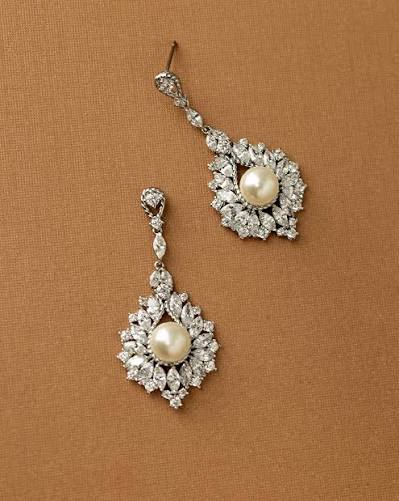
Shopping for period jewelry works nothing like ordering from a catalogue, and the difference catches people out. When you buy a pair of antique wedding earrings, you are buying a single surviving object rather than one unit of available stock. There is no second pair in the back, no alternative colorway, and no reorder. That reality shapes how far ahead you should start looking, what can go wrong, and how much time to leave between finding something and wearing it.
The single-unit problem
The most common mistake is treating a found piece as reservable while you think it over. Antique inventory turns unpredictably. A pair that has sat for eight months can sell the week you decide.
The practical response is to know your parameters before you start looking rather than working them out while deliberating. Decide in advance on the era you are drawn to, the metal color, the approximate drop length, and your ceiling. Then when something matches, you are making one decision rather than five.
It also means treating a shortlist as genuinely provisional. If two pairs appeal, expect that one may be gone. Reputable dealers will usually hold a piece briefly against a deposit; ask rather than assume.
Leave time for the work
Rings need sizing. Earrings need something less obvious but just as time-consuming.
Many Victorian and Edwardian earrings were made with screwbacks, kidney wires, or shepherd’s hooks, designed for ears that were either unpierced or pierced differently. Converting to modern posts is routine and generally accepted by collectors when done properly, but it is bench work and it takes time.
Other common pre-wedding tasks include retipping worn prongs, tightening loose stones, restringing pearls, and cleaning. None of these is dramatic. All of them require the piece to be out of your hands for a period, and a good jeweler will not rush work of this kind.
Ask for a realistic turnaround at the point of purchase, in writing, and count backward from your date rather than forward from today. Then add a margin, because bench schedules fill and a piece occasionally reveals something once it is opened up.
Appraise and insure before the day
A written appraisal serves two purposes. It documents what you actually bought, which matters for a piece with no serial number and no manufacturer’s warranty. And it is what an insurer requires to schedule the item on a policy.
Arrange coverage before the wedding rather than after. The day itself, with unfamiliar rooms, changing spaces, and a great deal of movement, is statistically the riskier moment.
Keep the appraisal, any receipts, and the dealer’s condition notes together. If the piece is eventually passed on, that documentation is a substantial part of what it will be worth.
Buying at a distance
Most antique inventory is not within driving range, so remote purchasing is normal. Four things make it safe.
Ask for video rather than stills, in natural light, showing the piece moving. Old cuts behave in ways photographs flatten.
Ask for exact measurements: overall drop, width at the widest point, and weight per earring. Weight is the one most people forget and the one most likely to cause regret over a long day.
Ask what has been repaired, replaced, or converted, and expect a straight answer.
And confirm the return window before paying, not after.
The part that outlasts the wedding
One argument for spending carefully here rather than economizing: unlike most wedding purchases, earrings keep working. A dress is worn once. A good pair of period earrings goes to dinners, anniversaries, and eventually to someone else in the family, and it will have held its character through all of it.
That changes the calculation. You are not buying an accessory for one afternoon. You are buying the piece you will be wearing in photographs taken thirty years from now.
If you want to see how period pieces are examined and documented before they are offered, browse the current collection at Gesner Estate Jewelry, where each item is hand selected and evaluated. Start earlier than feels necessary, and the search becomes a pleasure instead of a deadline.