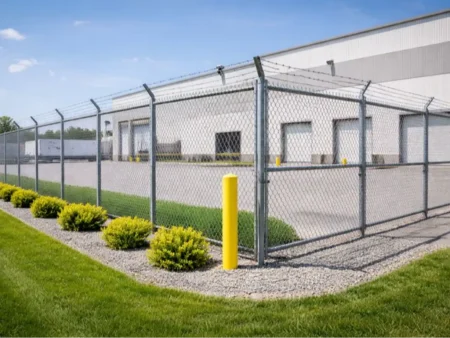




Commercial properties face unique security, safety, and operational challenges that require more than just a boundary line. A professionally installed fence helps protect assets, control access, improve privacy, and create a secure environment for employees and visitors. Choosing an experienced commercial fence company ensures your fencing solution is designed to meet your property’s specific needs while complying with local regulations and industry standards.
From warehouses and schools to construction sites and healthcare facilities, commercial fencing serves a wide range of industries. In this guide, we’ll explore which sectors benefit the most from commercial fencing and how the right fence can improve security, efficiency, and property value.
Why Commercial Fencing Matters
Commercial fencing is more than a physical barrier. It provides businesses with practical and long-term benefits, including:
- Improved property security
- Controlled vehicle and pedestrian access
- Protection against theft and vandalism
- Enhanced privacy
- Better safety for employees and customers
- Professional appearance and curb appeal
- Compliance with local safety and security requirements
Different industries require different fencing solutions based on their operational needs, security risks, and property layout.
1. Warehouses and Distribution Centers
Warehouses often store valuable inventory, equipment, and vehicles, making them common targets for theft and unauthorized access.
Benefits of Commercial Fencing
- Secures inventory and loading docks
- Restricts unauthorized entry
- Supports access control systems
- Protects outdoor storage areas
- Reduces liability risks
Recommended Fence Types
- Chain link fencing with barbed wire
- Steel security fencing
- Automated security gates
- Anti-climb fencing
Businesses operating around the clock particularly benefit from durable fencing combined with surveillance systems.
2. Manufacturing Facilities
Manufacturing plants contain expensive machinery, raw materials, and potentially hazardous work zones. Commercial fencing helps create a safer and more secure environment.
Key Advantages
- Prevents unauthorized visitors from entering restricted areas
- Separates operational zones
- Protects equipment from theft
- Supports OSHA and workplace safety practices
- Controls employee and visitor access
Heavy-duty steel or ornamental metal fencing is commonly used for industrial properties.
3. Construction Sites
Construction sites constantly change, making temporary and permanent fencing essential throughout every project phase.
Why Construction Companies Need Fencing
- Protects expensive tools and machinery
- Keeps pedestrians away from hazardous areas
- Prevents after-hours trespassing
- Helps meet local safety regulations
- Clearly defines worksite boundaries
Temporary chain link panels and security fencing are among the most popular options.
4. Schools and Educational Campuses
Schools require a balance between safety and accessibility. Commercial fencing helps create secure learning environments without making campuses feel unwelcoming.
Benefits
- Protects students and staff
- Controls visitor access
- Secures playgrounds and athletic fields
- Defines campus boundaries
- Supports emergency response planning
Popular fencing options include:
- Ornamental aluminum fencing
- Vinyl fencing
- Decorative steel fencing
- Chain link fencing for sports facilities
5. Healthcare Facilities
Hospitals, clinics, and medical centers must protect patients, staff, and sensitive equipment while maintaining a welcoming appearance.
Commercial Fencing Helps By
- Securing parking lots
- Restricting access to service entrances
- Protecting emergency generators and equipment
- Enhancing patient privacy
- Improving visitor traffic control
Decorative aluminum fencing is often chosen because it combines security with an attractive appearance.
6. Retail Centers and Shopping Complexes
Retail properties benefit from commercial fencing in areas that customers rarely see.
Common Applications
- Dumpster enclosures
- Delivery zones
- Equipment storage
- Employee parking
- Utility areas
Benefits include:
- Reduced theft
- Better traffic organization
- Improved property appearance
- Increased customer safety
7. Office Buildings and Corporate Campuses
Corporate properties often require controlled access while maintaining a professional image.
Advantages
- Protects employees and visitors
- Controls parking access
- Enhances landscaping
- Improves property value
- Supports electronic gate systems
Many office buildings choose ornamental steel or aluminum fencing because it offers security without appearing industrial.
8. Government Facilities
Government buildings require higher security standards than many commercial properties.
Commercial fencing helps:
- Protect sensitive facilities
- Restrict public access
- Secure parking areas
- Support surveillance systems
- Create controlled entry points
Depending on security requirements, facilities may use anti-climb fencing, steel barriers, or reinforced perimeter fencing.
9. Utility and Energy Facilities
Power stations, water treatment plants, and telecommunications facilities house critical infrastructure.
Why Fencing Is Essential
- Prevents unauthorized entry
- Protects essential equipment
- Meets regulatory security requirements
- Reduces vandalism
- Supports public safety
Security fencing often includes:
- High-security chain link
- Barbed wire
- Razor wire
- Electronic access systems
10. Apartment Communities and Residential Developments
Property managers use commercial fencing to improve both security and resident satisfaction.
Common Uses
- Perimeter fencing
- Pool enclosures
- Dog parks
- Playground areas
- Gated entrances
Benefits include:
- Enhanced privacy
- Increased property value
- Better access control
- Improved resident safety
Vinyl, aluminum, and ornamental fencing are popular choices for multifamily communities.
11. Hotels and Hospitality Businesses
Hotels must provide guests with both comfort and security.
Commercial fencing can help secure:
- Swimming pools
- Outdoor dining spaces
- Parking lots
- Equipment storage
- Staff-only areas
Well-designed fencing also contributes to a polished and upscale appearance.
12. Sports Facilities and Recreation Centers
Sports complexes often contain multiple areas requiring different levels of access.
Commercial fencing helps:
- Protect spectators
- Secure athletic fields
- Control ticketed entry
- Prevent vandalism
- Separate playing areas
Chain link fencing remains a popular option due to its durability and visibility.
Choosing the Right Commercial Fence for Your Industry
Every business has different priorities. Before selecting a fencing solution, consider:
Security Requirements
Determine the level of protection your property needs based on valuable assets, public access, and operating hours.
Privacy Needs
Some businesses require complete privacy, while others prioritize visibility for safety and surveillance.
Material Selection
Common commercial fencing materials include:
| Material | Best For |
| Chain Link | Warehouses, sports facilities, construction sites |
| Steel | Manufacturing plants, government buildings |
| Aluminum | Office parks, schools, healthcare facilities |
| Vinyl | Apartment communities, schools |
| Wood | Privacy around commercial outdoor spaces |
| Composite | Modern commercial developments |
Maintenance Requirements
Low-maintenance materials like aluminum and vinyl reduce long-term upkeep costs, while steel provides exceptional durability with periodic maintenance.
Additional Features That Improve Commercial Fencing
Modern commercial fencing systems often include:
- Automated entry gates
- Keycard access systems
- Security cameras
- Motion sensors
- Anti-climb panels
- Privacy slats
- Vehicle barriers
- Lighting integration
Combining fencing with access control technology creates a stronger overall security strategy.
Long-Term Benefits of Commercial Fencing
Investing in commercial fencing provides lasting value by:
- Reducing theft and vandalism
- Lowering liability risks
- Improving employee safety
- Protecting equipment and inventory
- Increasing property value
- Enhancing curb appeal
- Supporting business continuity
- Creating a professional first impression
A properly designed fence can serve your business reliably for decades with regular maintenance.
Frequently Asked Questions
What type of commercial fence offers the highest security?
Steel security fencing, anti-climb fencing, and reinforced chain link fencing with controlled access gates provide some of the highest levels of commercial security.
How long does commercial fencing last?
Depending on the material, commercial fences can last anywhere from 20 to 50 years or more. Aluminum and galvanized steel typically offer excellent longevity with minimal maintenance.
Can commercial fencing be customized?
Yes. Commercial fencing can be customized in height, material, color, gate configuration, privacy level, and security features to match your property’s requirements.
Is commercial fencing a good investment?
Absolutely. Commercial fencing helps protect assets, improve safety, reduce liability, and enhance the overall appearance and value of a commercial property.
Conclusion
Commercial fencing plays a vital role across industries by improving security, controlling access, protecting valuable assets, and creating safer environments for employees, customers, and visitors. Whether you manage a warehouse, healthcare facility, school, office complex, retail center, or construction site, selecting the right fencing solution can deliver long-term operational and financial benefits.
Working with an experienced contractor ensures your fence is designed to meet your industry’s unique requirements while complying with local regulations. If you’re planning a commercial fencing project, Superfenceco offers professional expertise, quality craftsmanship, and customized fencing solutions to help businesses protect their properties with confidence.