



How an Air Duct Booster Fan Supports Better Airflow in Hard-to-Reach Rooms
A forced-air HVAC system may produce enough heating or cooling for a building while failing to deliver the right amount of air to every room. Distant bedrooms, converted attics, home additions, and rooms above garages often experience weaker airflow than spaces near the central equipment. An air duct booster fan can assist air movement through a specific duct run when testing confirms a localized delivery problem.
Why Does Airflow Weaken Inside Ductwork?
Air encounters resistance as it travels through a duct system. Every foot of duct, bend, fitting, damper, transition, and register adds friction. A long branch with several turns may therefore deliver less air than a short, straight branch connected to the same supply trunk.
Duct condition also affects performance. Flexible ductwork can sag, become compressed, or develop sharp bends that restrict the available passage. Poorly sealed joints allow conditioned air to escape into attics, crawl spaces, wall cavities, or basements before it reaches the intended room.
Changes to the building can create additional problems. A renovated attic or new addition may be connected to an existing HVAC system without sufficient consideration of duct capacity. Even if the equipment can handle the added load, the new branch may not receive enough airflow.
What Does an Air Duct Booster Fan Do?
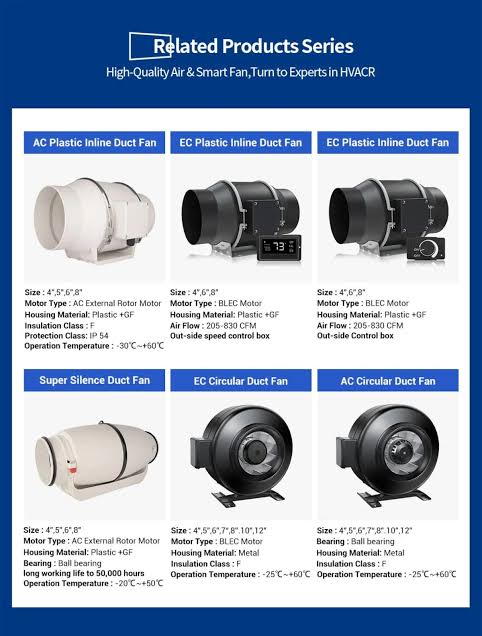
An in-line booster fan is mounted within a duct run. Its purpose is to help move existing conditioned air toward a room or zone where natural system pressure is not providing adequate delivery.
The fan does not produce heating or cooling. It assists the airflow generated by the HVAC blower. For this reason, it works best when the main equipment is functioning correctly and the airflow concern is limited to one branch or a small area.
This type of fan differs from a register-mounted model. A register fan operates at the supply opening, while an in-line fan works inside the duct before the air reaches the room. The appropriate choice depends on duct access, register location, airflow requirements, and the cause of the comfort complaint.
Which Spaces May Benefit?
Rooms positioned at the end of long duct runs are common candidates. Second-floor bedrooms may receive less cooling during summer, while distant ground-floor rooms may struggle to stay warm during winter.
Finished basements, workshops, attic conversions, and home additions may also experience low air delivery. In some properties, a remodeled room has a different heating or cooling load than it did under the original floor plan.
Before recommending a fan, contractors and energy auditors should determine whether the problem is truly related to supply airflow. Poor insulation, excessive solar heat, leaky windows, or missing return air can produce similar symptoms. Adding more supply air without addressing these conditions may provide limited improvement.
Complete Basic Checks Before Installation
Start with the HVAC filter. A heavily loaded filter restricts air throughout the system and should be replaced before individual branches are assessed. The blower, evaporator coil, dampers, and accessible supply ducts should also be inspected.
Confirm that the affected register is fully open and not blocked by furniture, rugs, curtains, or stored belongings. Look for damaged, disconnected, crushed, or sagging duct sections. Repairing a clear restriction may restore air delivery without adding powered equipment.
Return-air movement is equally important. When a room has no return grille, air must travel beneath the door or through a transfer opening. A tightly closed room without a return path can become pressurized, limiting the amount of supply air that enters.
Professionals can use airflow hoods, pressure gauges, and temperature measurements to compare room performance. These tests help distinguish a weak branch from a larger problem involving the entire system.
Select the Right Fan Size and Position
The booster fan should match the diameter and type of duct. Installers should measure the duct directly rather than relying on register dimensions or building plans that may no longer reflect current conditions.
Fan capacity should suit the branch requirements. A fan that provides insufficient assistance may not correct the problem, while excessive airflow can increase noise, affect pressure balance, or reduce delivery elsewhere.
Installation position should allow access for inspection, cleaning, electrical work, and future replacement. The fan must face the correct airflow direction, and nearby duct connections should be firmly secured. Sharp bends or major restrictions close to the fan should be corrected when possible.
Plan the Controls and Electrical Connection
A booster fan may be operated through an approved switch, speed controller, or automatic control arrangement. The selected method should coordinate fan operation with the periods when airflow assistance is needed.
Electrical connections must meet the product instructions and applicable building codes. Installers should verify voltage, mounting requirements, wire routing, service access, and clearances. Homeowners who lack HVAC and electrical experience should leave the work to a qualified contractor.
Noise should also be considered during planning. Secure mounting and correctly fitted duct connections can limit vibration. Selecting a suitable location may keep operational sound away from bedrooms, offices, and other quiet areas.
Understand What a Booster Fan Cannot Correct
An air duct booster fan cannot compensate for failing equipment, severe duct leakage, badly undersized ductwork, dirty coils, incorrect blower settings, or an HVAC system that is too small for the building. It also cannot correct substantial heat gain or heat loss caused by the building envelope.
When airflow is weak across several rooms, a full HVAC inspection is necessary. The lasting correction may involve duct sealing, balancing, insulation work, blower service, or redesigning part of the distribution network.
When professional assessment confirms that one duct branch needs additional air movement, an in-line booster fan may provide a practical solution. Visit Suncourts to review available airflow products and choose a fan that matches the duct size, control plan, and installation conditions.