


How to Choose the Right Western Saddle for Comfort, Performance, and Long-Term Riding
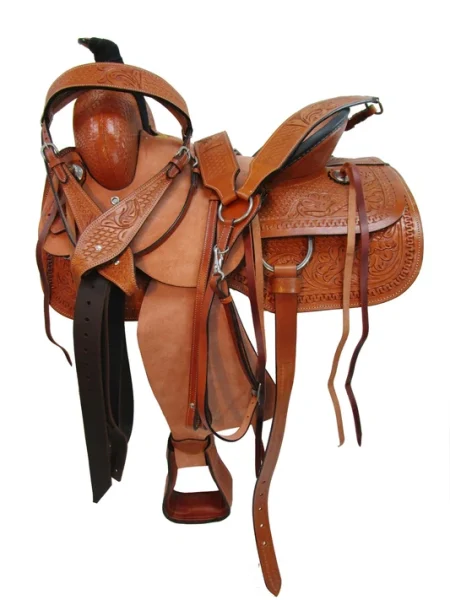
Whether you’re riding trails, working cattle, competing in rodeo events, or spending long days on the ranch, choosing the right western saddle is one of the most important decisions you’ll make as a rider. A properly fitted saddle improves comfort for both horse and rider, supports better balance, and helps create a more enjoyable riding experience. With so many styles available, understanding the purpose of each design makes selecting the right saddle much easier.
Why Saddle Selection Matters
A western saddle does much more than provide a place to sit. Its design distributes the rider’s weight across the horse’s back while offering stability during different riding activities. A saddle that fits properly can improve communication between horse and rider, while a poor fit may lead to discomfort, pressure points, and reduced performance.
Finding the right saddle means considering both the rider’s needs and the horse’s conformation. Tree shape, seat size, skirt length, and overall construction all influence how the saddle performs during everyday riding.
Different Styles for Different Disciplines
Western saddles are designed with specific riding disciplines in mind. While some models are built for versatility, others focus on specialized performance.
Popular western saddle styles include:
- Trail saddles
- Ranch saddles
- Barrel racing saddles
- Roping saddles
- Reining saddles
- Cutting saddles
- Wade saddles
- All-around saddles
Each style offers unique features that support the movements and demands of a particular discipline. Riders who spend long hours on horseback often prioritize comfort, while competitors may look for designs that improve balance and responsiveness.
Fit Is More Important Than Appearance
Many riders are drawn to decorative tooling or premium leather finishes, but appearance should never outweigh proper fit.
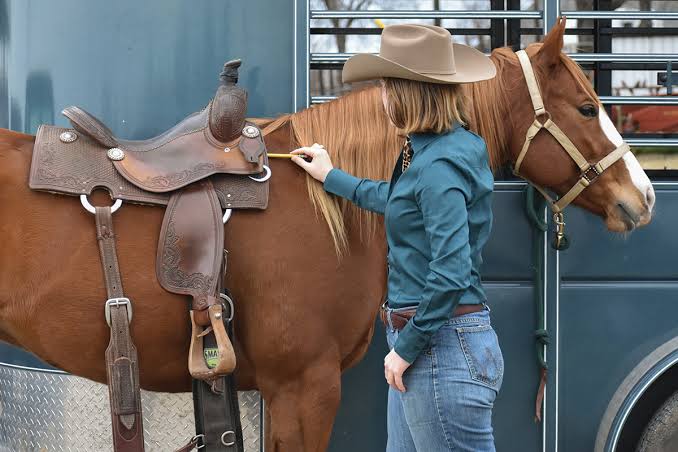
A correctly fitted western saddle should:
- Distribute weight evenly
- Allow free shoulder movement
- Sit level on the horse’s back
- Avoid pressure points
- Keep the rider balanced
Likewise, riders should choose a seat size that allows comfortable movement without feeling cramped or unstable. Investing time in proper saddle fitting can help prevent discomfort for both horse and rider over the long term.
Quality Construction Makes a Difference
A western saddle is often one of the largest equipment investments an equestrian will make. High-quality materials and skilled craftsmanship contribute to durability, safety, and long-term performance.
When evaluating a saddle, consider features such as:
- Strong saddle tree construction
- Quality leather
- Secure stitching
- Durable hardware
- Comfortable seat padding
- Reliable rigging
A well-built saddle can provide many years of dependable service with proper care and routine maintenance.
Consider Your Riding Goals
Before purchasing a western saddle, think about how it will be used.
Questions to ask include:
- Will you primarily ride trails?
- Do you compete in rodeo events?
- Will the saddle be used for ranch work?
- Do you need an all-around saddle?
- How many hours will you typically ride?
Answering these questions helps narrow your options and ensures the saddle supports your riding style instead of limiting it.
Don’t Overlook Horse Comfort
While rider comfort is important, the horse’s comfort should always come first.
A saddle that fits poorly may create uneven pressure, restrict movement, or contribute to soreness after long rides. Regularly checking saddle fit is especially important if your horse changes condition through training, aging, or seasonal weight fluctuations.
Many experienced riders recommend working with knowledgeable saddle professionals who can evaluate both horse and rider before making a purchase. Community discussions also frequently emphasize that investing in a well-made saddle from a trusted source often provides better long-term value than choosing the least expensive option.
Caring for Your Saddle
Proper maintenance helps extend the life of a western saddle while preserving its appearance.
Simple care practices include:
- Cleaning leather after riding
- Conditioning regularly
- Storing the saddle on a proper saddle stand
- Keeping it dry when not in use
- Inspecting rigging and hardware periodically
Routine care not only protects your investment but also helps ensure the saddle remains safe and comfortable for years of riding.
Conclusion
Choosing the right western saddle involves more than selecting an attractive design. Proper fit, quality construction, intended riding discipline, and horse comfort all contribute to a saddle’s overall performance. By taking the time to evaluate these factors, riders can enjoy greater comfort, improved balance, and better communication with their horse during every ride.
Whether you’re searching for a trail saddle, ranch saddle, barrel racing saddle, or another style, Saddle Up Colorado offers a broad selection of quality saddles from trusted makers. Their knowledgeable team can help riders find equipment that matches their discipline, horse, and riding goals while supporting comfort and performance for years to come