




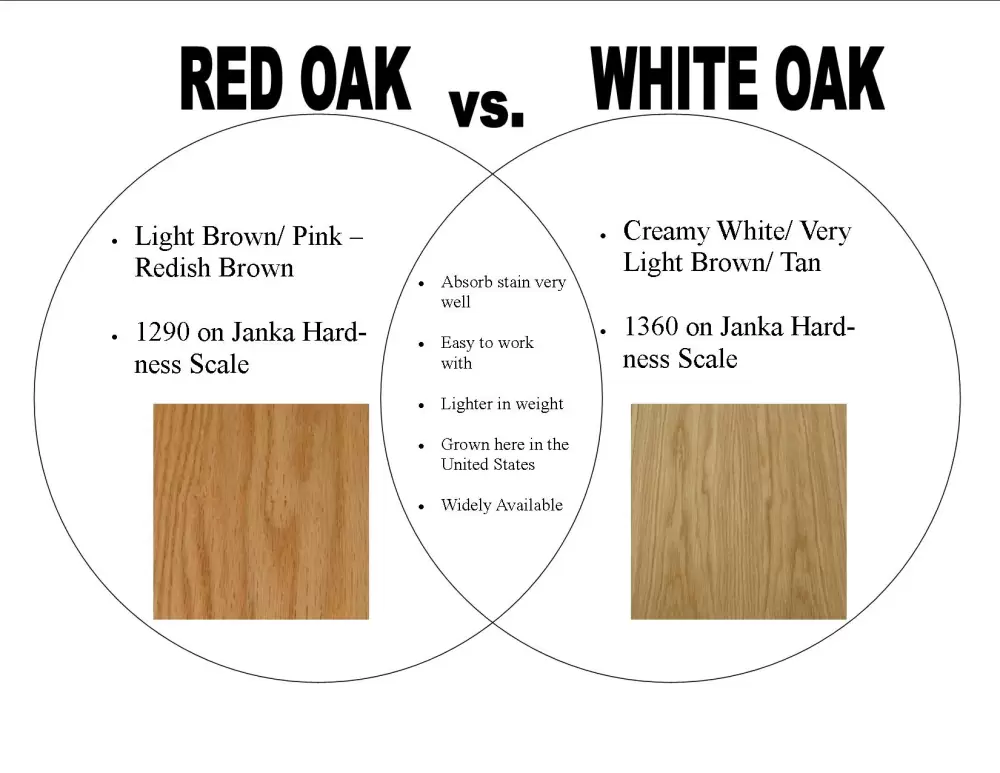
Material selection plays a critical role in staircase performance, appearance, and long-term satisfaction across residential and commercial projects. Among the most common decisions faced by builders, designers, and flooring professionals is red oak vs white oak, a comparison that directly influences both the visual outcome and functional durability of stair installations.
Oak remains one of the most widely used hardwoods in stair systems due to its strength, availability, and adaptability to different finishes. However, not all oak behaves the same once installed and finished. Understanding the differences between red oak and white oak helps contractors and designers avoid mismatched expectations and achieve more consistent project results.
One of the most noticeable differences between the two species is grain structure and visual tone. Red oak typically features a more open grain pattern with a warmer, slightly reddish undertone. White oak, on the other hand, presents a tighter grain and a more neutral brown-gray appearance. When applied to stair treads, these differences can significantly affect how the staircase interacts with surrounding flooring, trim, and wall colors.
Finishing behavior is another important factor in selection. Red oak tends to absorb stains more quickly, often resulting in a slightly warmer and more pronounced color shift. White oak generally produces a more controlled and even finish, making it a preferred option for designers aiming for consistent tones across multiple stair components. In prefinished stair systems, this difference becomes especially important because the final appearance is determined before installation rather than adjusted on-site.
Durability also plays a key role in decision-making. Both red oak and white oak are strong hardwoods, but white oak is often considered slightly more resistant to moisture due to its tighter cellular structure. This makes it a strong candidate for high-traffic staircases or environments where humidity fluctuations may be present. Red oak still performs well in residential stair applications, particularly in controlled indoor environments where exposure conditions remain stable.
For contractors and stair installers, selecting the right oak species is not just about appearance but also about installation predictability. Stair projects often involve coordination between flooring, trim, and railing systems, and inconsistencies in material response can create delays or adjustments during finishing stages. White oak’s more stable stain absorption can reduce variability, while red oak offers flexibility when a warmer aesthetic is desired.
From a design perspective, the choice between red oak and white oak often depends on the overall interior direction of the project. Traditional homes with warm wood tones and classic detailing frequently align well with red oak stair treads. In contrast, modern or transitional interiors that prioritize clean lines and neutral palettes often benefit from the more subdued appearance of white oak.
Builders and architects also consider long-term adaptability when specifying stair materials. As interior design trends shift over time, neutral base materials tend to offer more flexibility for future updates. White oak’s balanced tone allows it to integrate more easily with changing flooring styles, wall colors, and furnishings. Red oak, while visually strong and warm, may anchor a space more firmly to a traditional aesthetic direction.
Another important consideration is consistency across large projects. In multi-unit developments or custom homes with multiple staircases, material consistency becomes essential. White oak’s more uniform finishing behavior can help maintain visual alignment across different batches of material, reducing variation between stair runs.
Dealers and distributors also play a role in guiding customers through this decision. Many homeowners and builders are not fully aware of how significantly oak species can influence the final staircase appearance. Providing clear comparisons and samples helps reduce confusion and improves satisfaction with the finished installation.
Ultimately, the decision between red oak and white oak comes down to project goals, environmental conditions, and desired aesthetic direction. Both materials are reliable choices, but their differences should be understood early in the planning process to avoid costly adjustments later in the project timeline.
For flooring professionals looking to source reliable stair components and prefinished hardwood solutions, Wood Stair Co offers a focused selection designed to support contractors, builders, and designers in delivering consistent, high-quality staircase installations across a wide range of residential applications.