




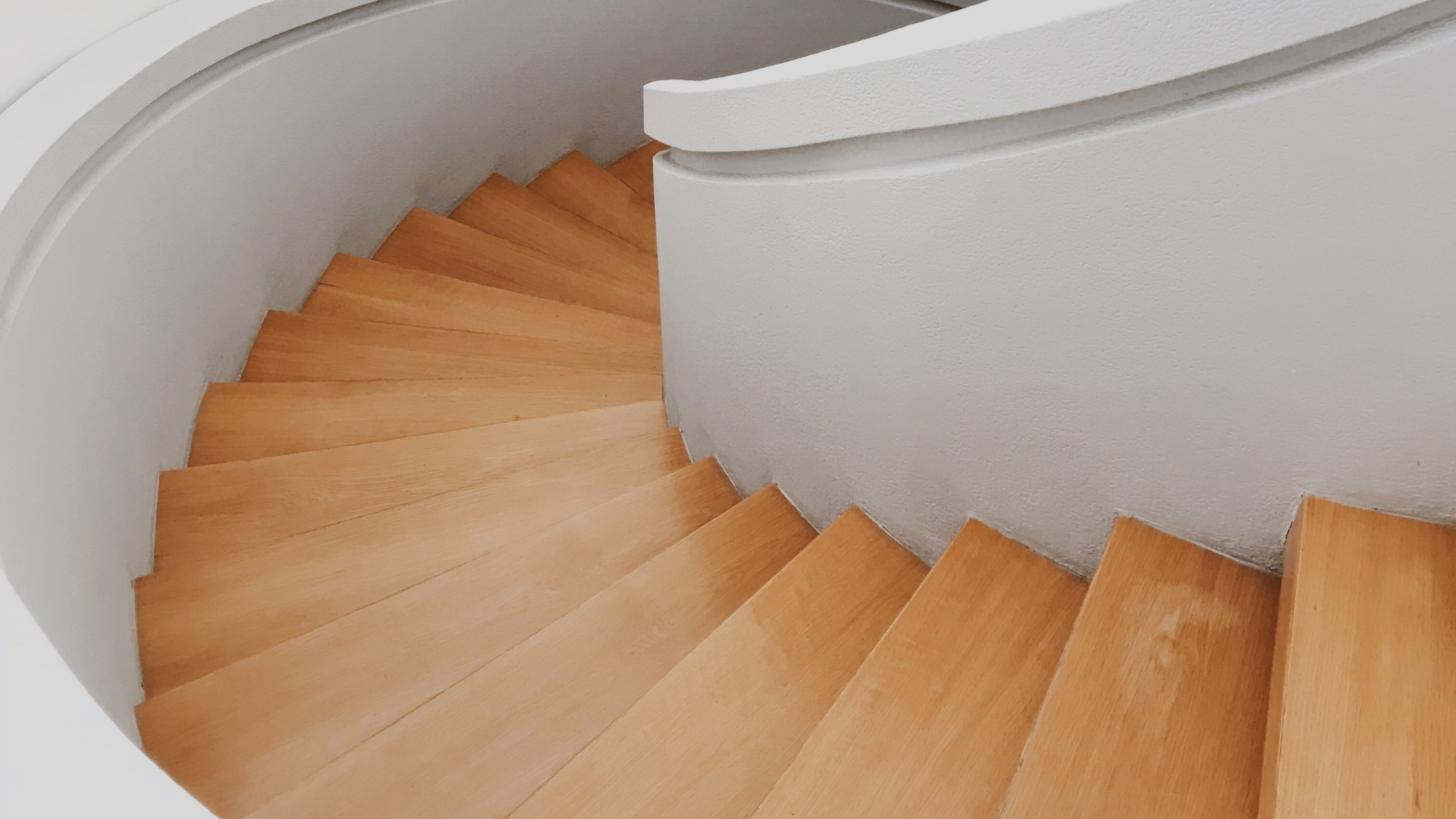
A staircase renovation involves more than replacing worn walking surfaces. Contractors and designers must account for measurements, wood species, finish color, installation sequence, and the relationship between the stairs and nearby flooring. Selecting prefinished stair treads can remove several uncertainties from this process by reducing on-site finishing work and giving project teams a clearer view of the expected appearance before installation begins.
Factory Finishing Can Simplify Project Scheduling
Unfinished hardwood components usually require sanding, staining, drying, and the application of protective coats after installation. Each stage adds labor and may require the staircase to remain unused for a period. Temperature, humidity, ventilation, and dust can also affect the result.
Prefinished treads arrive with the stain and protective coating already applied. Installers still need to prepare the staircase, cut each component, test the fit, and follow the recommended fastening method. However, they do not need to schedule several finishing visits after installation.
This can be helpful in occupied homes, retail properties, and remodeling projects with firm completion dates. It also reduces the possibility of another trade entering the area before a site-applied finish has fully cured.
Consistency Matters Across the Full Staircase
A staircase contains many adjoining surfaces. Minor differences in color or sheen may become more noticeable when treads, risers, landing pieces, flooring, and handrails are viewed together.
Factory finishing provides controlled application conditions. This may produce more consistent coverage across multiple components than finishing each piece separately at the jobsite. Natural wood variation will remain because grain patterns and color tones differ from board to board. That variation is part of hardwood’s character, but the stain and finish system should still create a coordinated overall appearance.
Flooring dealers and designers should encourage customers to review physical samples whenever possible. Screen settings, room lighting, wall colors, and surrounding materials can change how a stain appears. A sample provides a more dependable basis for comparing the stair components with the selected flooring.
Retro and Traditional Treads Serve Different Projects
Choosing the correct tread construction is just as important as selecting the finish.
Retro treads are commonly used when converting carpeted stairs to hardwood. Their thinner profile allows them to be installed over suitable existing stair structures after the carpet, padding, staples, and other materials have been removed. This approach can limit the amount of structural alteration required.
Traditional treads are generally thicker and may be specified for new stair construction or projects where the existing tread will be removed. Because staircase conditions vary, the installer should examine the structure before products are ordered. Existing dimensions, nosing, stringers, riser placement, and local building requirements can all affect the correct approach.
Accurate Measurements Help Prevent Costly Delays
Staircases that appear uniform may contain small differences from one step to another. Measuring only a single tread and assuming every step is identical can lead to gaps, poor fitting, or material shortages.
Each tread opening should be measured individually. Installers should also identify whether a step requires a closed tread, left return, right return, or double return. A return is the finished edge used where the side of a tread remains visible.
Landing areas require separate planning. The flooring direction, landing tread, nosing profile, and transition into nearby rooms should be considered together. Confirming these details before ordering helps the supplier provide the appropriate parts and gives the installer a clearer material list.
Coordination With Flooring Creates a Finished Appearance
Stairs often connect two floors covered with hardwood, engineered flooring, or wood-look materials. An exact match is not always possible, particularly when products come from different mills or use different finishing systems. A coordinated result is usually more realistic than expecting every surface to look identical.
Species, grain, stain undertone, and sheen should all be reviewed. Red oak and white oak, for example, respond differently to stain because their grain patterns and natural coloring are not the same. The same stain name does not guarantee the same appearance on two wood species.
Designers can also use intentional contrast. Dark treads with white risers create a defined architectural look, while matching wood treads and risers produce a warmer, more continuous appearance. The choice should reflect the flooring, handrail, trim, and overall interior plan.
Plan the Staircase as a Complete Assembly
Treads are only one part of the finished staircase. Risers, landing tread, cove moulding, handrails, balusters, and newel posts may also be required. Reviewing these parts early can prevent color conflicts and last-minute sourcing problems.
Flooring dealers, builders, and remodeling professionals can make the ordering process easier by gathering measurements, project photographs, tread configurations, wood preferences, and finish samples before requesting materials. For prefinished hardwood treads, risers, and coordinating stair parts, visit Wood Stair Co to review available options and start planning your next staircase project.